IMMERSIVE HERITAGE · PROFESSIONAL / CASE STUDY
Jordan Heritage VR
Turning photographed heritage sites into explorable, museum-facing experiences.
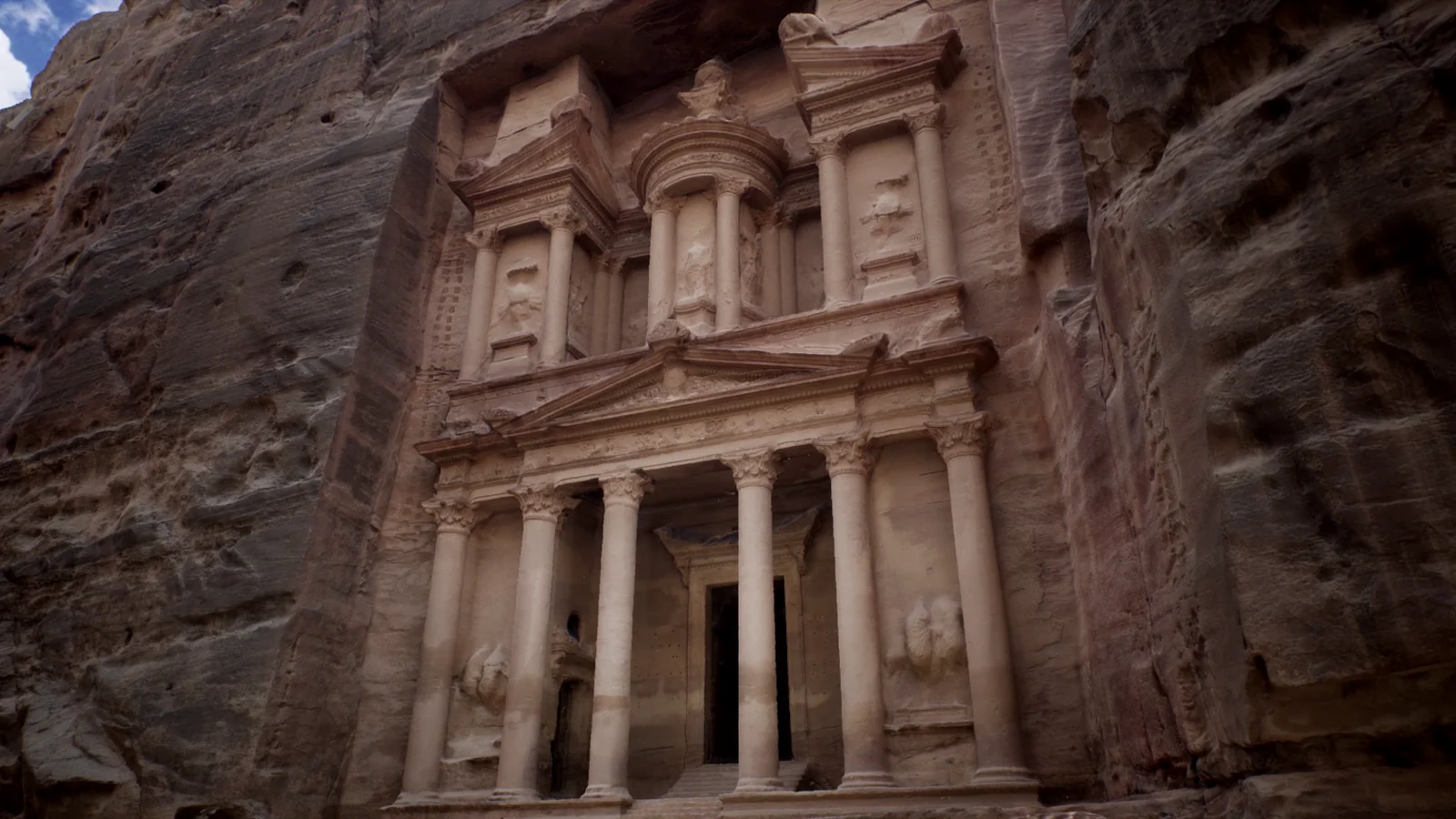
The brief
Create accessible spatial experiences of Jordanian heritage sites that could be explored beyond physical site visits. The work supported museum installations and public cultural outreach rather than being confined to passive architectural renderings.
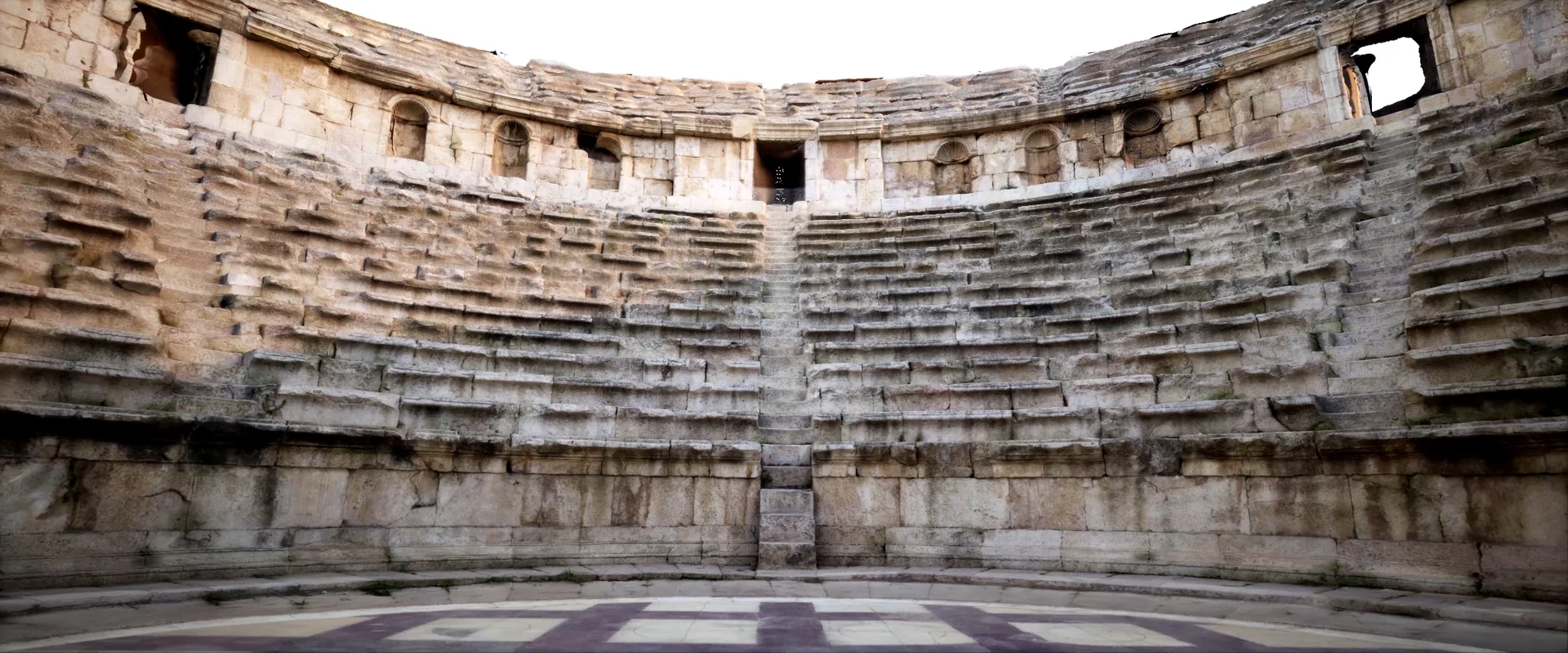
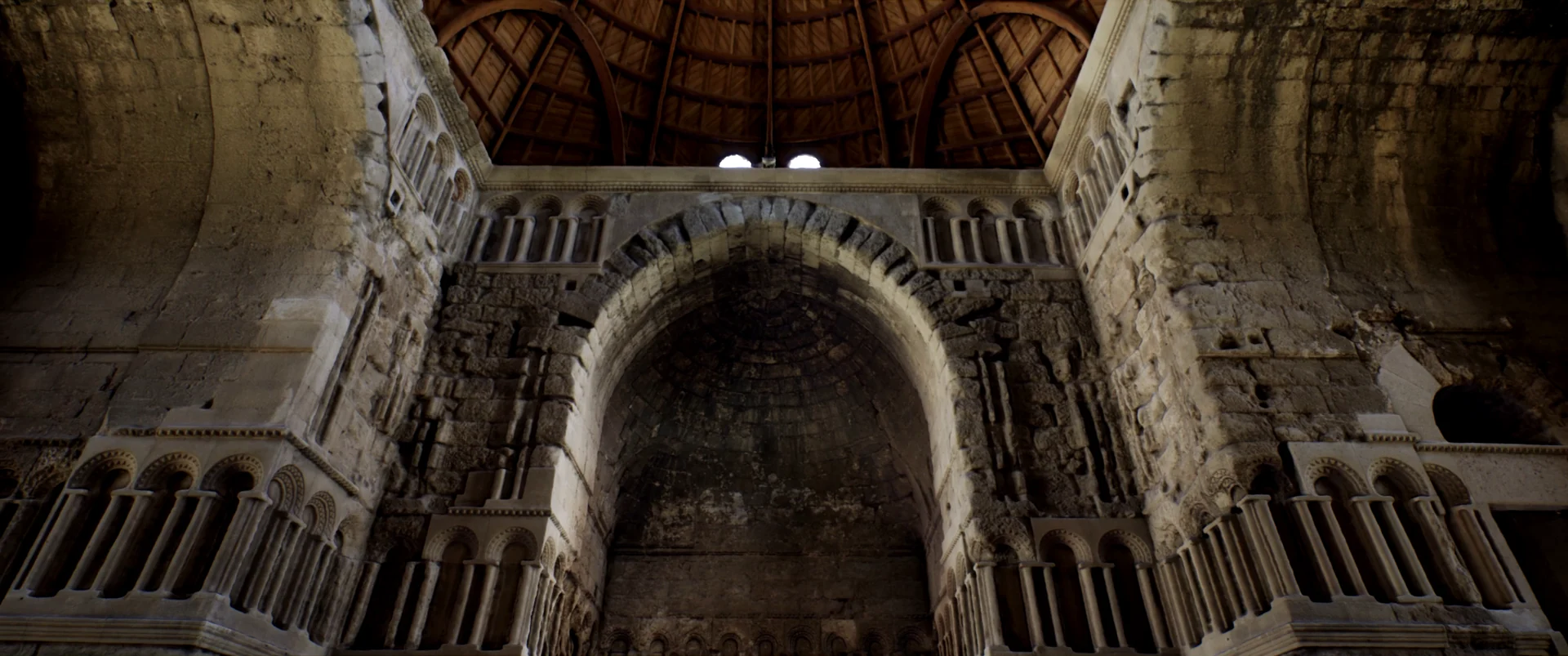
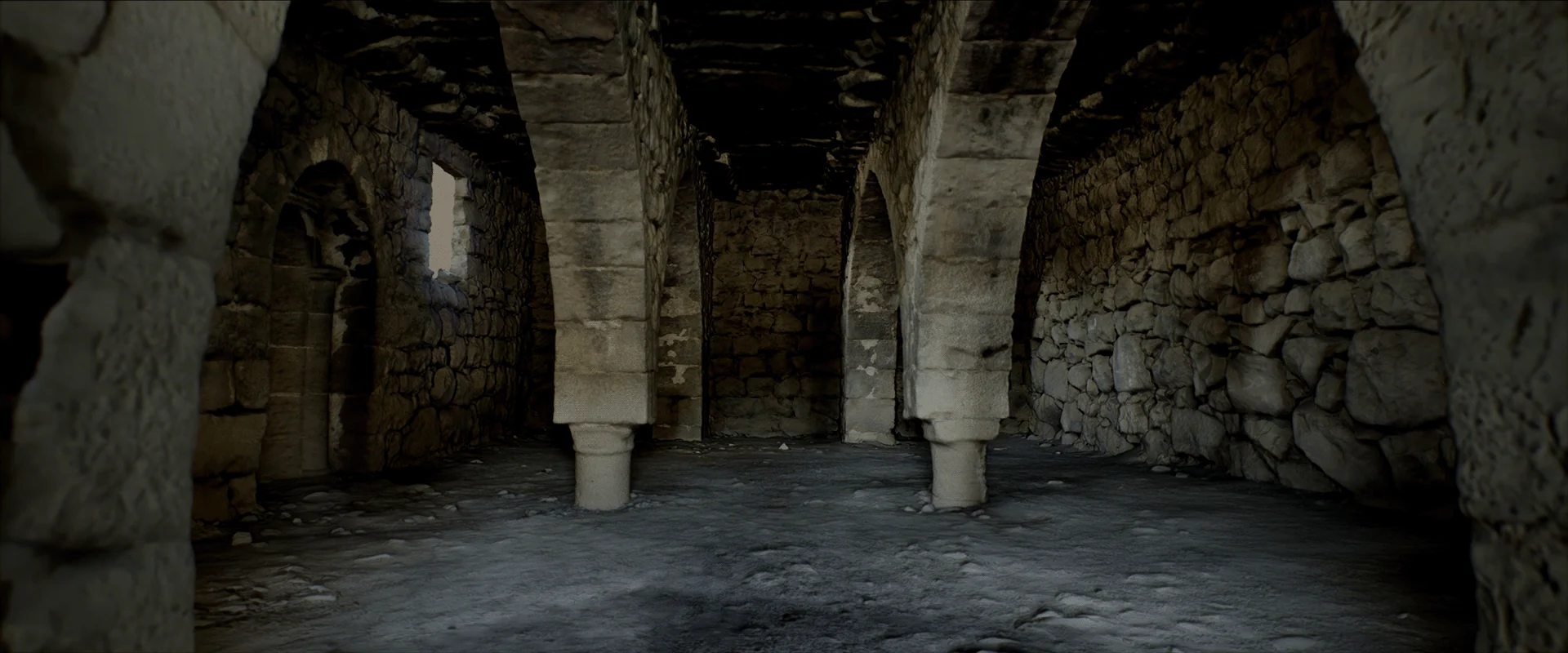
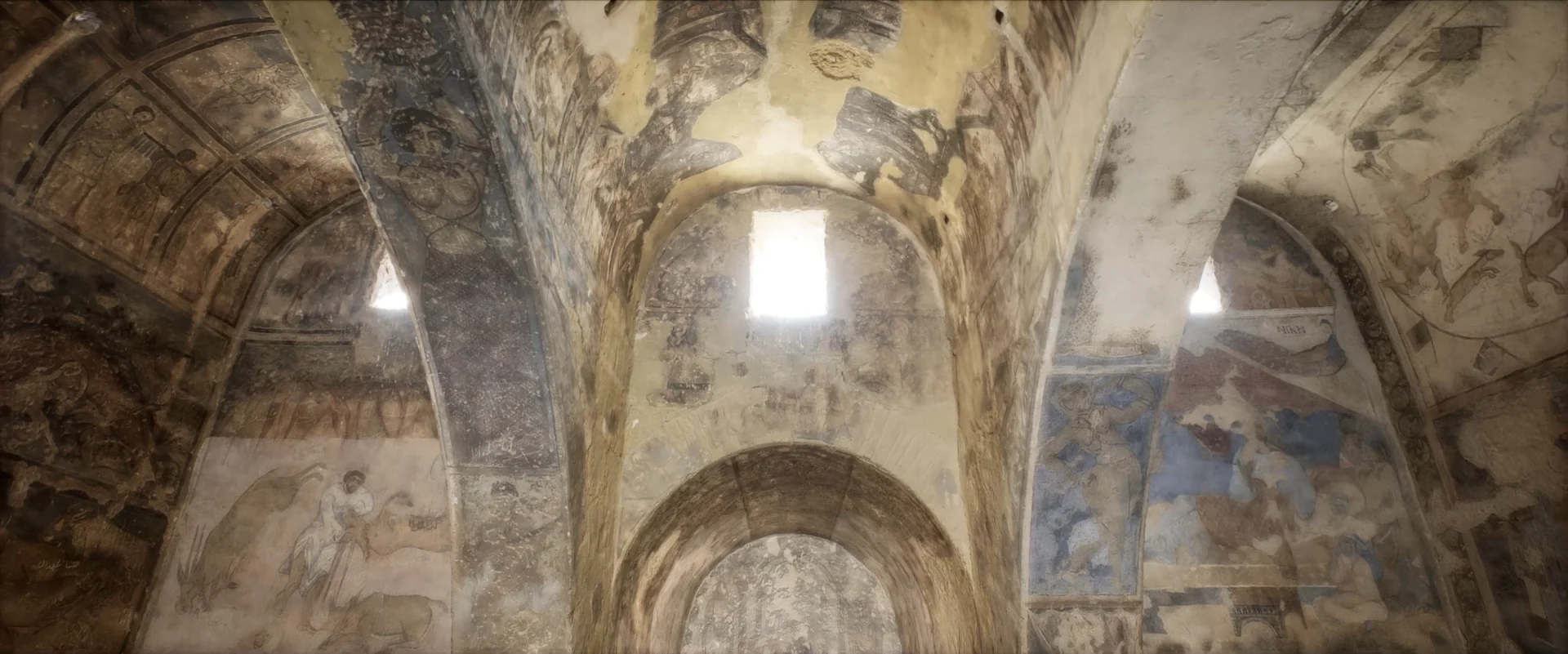
Selected locations included Petra, Jerash, Amman Citadel, Qasr Amra, Qasr al-Azraq and Wadi Rum.
The role
- End-to-end creative and technical direction
- On-site photography and heritage capture
- Photogrammetry, reconstruction and optimization
- Unreal Engine integration and VR headset deployment
- Museum-facing installation and public-presentation development
From capture to presentation
The workflow began with on-site image acquisition, continued through point-cloud and mesh reconstruction, refinement and texturing, and concluded with Unreal Engine integration and performance optimization.
Delivery was designed for headsets including HTC Vive, Gear VR and later Quest workflows. Documentation describes an eight-booth installation for the Jordan Museum alongside other outreach formats.
Deliverables and outcome
Navigable heritage environments, real-time assets and public-facing VR presentations. This was professional, deployed work and demonstrates responsibility for technical production as well as visual direction.
The documented value is cultural access and experiential education; visitor numbers and business metrics are not published here because they have not been independently verified.
A heritage scene succeeds only if the reconstruction is spatially convincing and runs reliably in the headset. Photographic fidelity, navigability, frame-rate constraints and visitor experience must be solved together.
PRODUCTION STILLS
Selected frames.
Original project imagery and visual-development material selected to illustrate the approach.